the pentagon got three chances to say what danger 27 trans troops pose. a federal judge is still waiting.
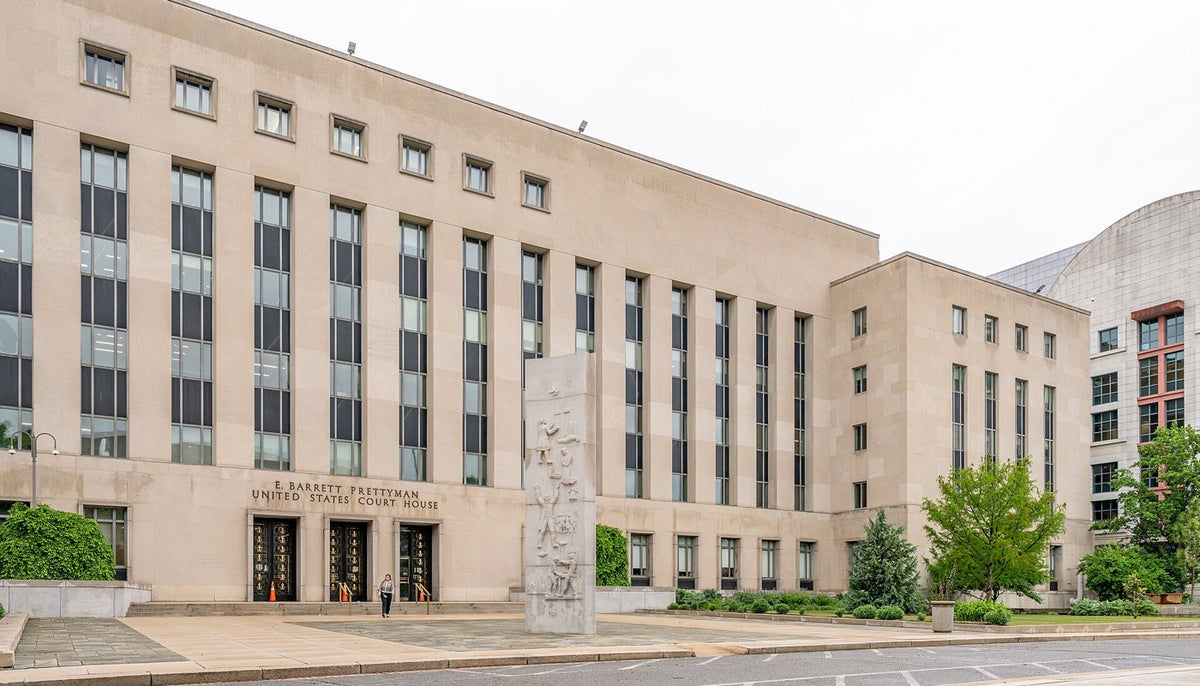
The E. Barrett Prettyman U.S. Courthouse, home of the D.C. Circuit. Photo: ajay_suresh, CC BY 4.0, via Wikimedia Commons
via the Associated Press and The Advocate.
By the time the order came down on Tuesday, some of them were already on administrative leave and several had boards scheduled to decide whether their careers were over, The Advocate reported. Now none of those boards can end anything, at least not for the 27 people who sued.
what the court did
A three-judge panel of the U.S. Court of Appeals for the D.C. Circuit voted 2-1 on Nov. 17 to refuse the Trump administration's request to put its own June ruling on hold while the government asks the Supreme Court to take the case, the AP reported. That June ruling, in Talbott v. United States, found the Pentagon's policy was likely designed to exclude people based on gender identity. It bars the military from kicking out current service members named in the lawsuit. It does not let new transgender recruits enlist.
Plaintiffs' attorneys say 27 service members are covered. Lawyers for the troops told The Advocate that together they have served more than 130 years and earned more than 80 commendations, and that the government has admitted each served honorably and met military standards.
Judge Robert Wilkins, an Obama appointee, wrote the order, and Judge Judith Rogers, a Clinton appointee, joined him in denying the delay. Judge Justin Walker, a Trump appointee who dissented in June, would have granted it.
the danger nobody named
Wilkins wrote that the administration had not shown how keeping the plaintiffs in uniform would cause any irreparable harm or endanger national security, per the AP. The Advocate's account is sharper: the Pentagon had three chances to explain the danger, in the trial court, on appeal and in asking for this delay, and each time it invoked national security without identifying a risk. "To the extent the government suggests that any injunction against the Executive Branch imposes irreparable harm, I am also unpersuaded," Wilkins wrote.
The Advocate also walked through what Wilkins found in the waiver rules. Anyone who had ever "attempted to" transition was ineligible, and the government said social transition counted. So, as The Advocate put it, the pronouns a service member once used could outweigh the military's own judgment that it needed them. A commander could want you, need you and ask for you, and an old pronoun would still win.
"The Trump administration asked the court to let it keep pushing these service members toward the door while it tries to get a different answer from the Supreme Court. Today, the D.C. Circuit said no," said Shannon Minter, legal director of the National Center for LGBTQ Rights. A spokesperson for Defense Secretary Pete Hegseth's office declined to comment, the AP reported. Hegseth has had a lot to say about this policy elsewhere, including the sworn answers we covered last week, where he stood by calling transgender people "weird".
what happens next
The Supreme Court, which let the ban take effect last year in a different case, has the administration's petition on its Dec. 4 conference list, according to The Advocate. Meanwhile U.S. District Judge Ana Reyes, who sent Hegseth ten written questions in October, is pushing toward a two-week trial set to begin Jan. 4. On Monday she gave the government 28 days to hand over internal records and allowed the troops' lawyers to depose former Army Secretary Dan Driscoll, The Advocate reported. Because she certified a class, the trial could reach trans troops nationwide, well beyond the 27.